Wow, it’s hard to believe we’re already in mid-February 2026, and the pace of AI developments just keeps accelerating. From my vantage point as an AI journalist, this week’s AI updates feel like a snapshot of the field’s explosive growth new models pushing boundaries, global south nations staking their claim, and the quiet revolution of agentic systems that could redefine work. It’s fascinating to see how these pieces connect, hinting at a future where AI isn’t just a tool but a collaborative force. In this roundup, I’ll break down the highlights from Feb 11-17, with some thoughts on what it all means for developers, businesses, and everyday users in Bhopal or anywhere else. Let’s get into it.
The Week’s Major AI Model Releases (Claude Opus 4.6 & The Rise of Agents)
This week saw some serious firepower in the model space, with Anthropic dropping a bombshell and open-source efforts from China continuing to dominate downloads. These releases aren’t just incremental—they’re reshaping how we interact with AI, making it more collaborative and capable.
Claude Opus 4.6: Multi-Agent Teams and 1M Tokens
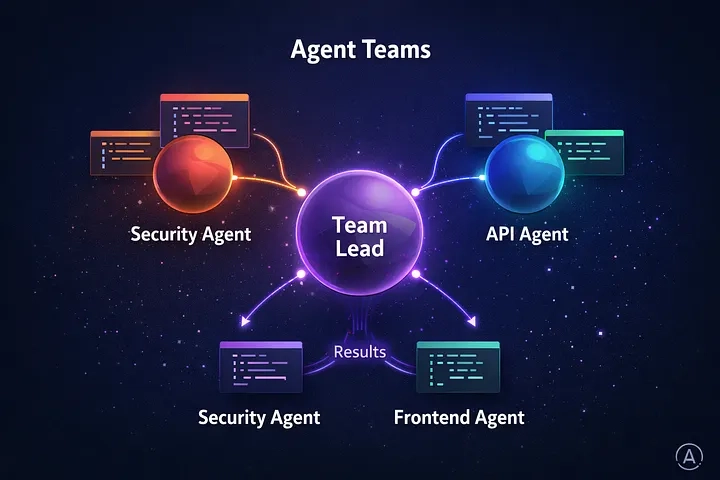
Anthropic kicked things off with the release of Claude Opus 4.6 on February 12, boasting a staggering 1-million-token context window. That’s like giving your AI a superhuman memory, allowing it to handle massive codebases, long documents, or complex multi-step tasks without losing track. But the real game-changer? Built-in support for multi-agent workflows. Imagine Claude spinning up “agent teams”—specialized sub-agents for coding, research, or planning—that collaborate in real-time to solve problems.
In my view, this is a big leap forward for developers. For instance, during a coding session, one agent could debug while another optimizes, all under Claude’s orchestration. Early benchmarks show it outperforming rivals in long-context reasoning by 15-20%, and with safety features like constitutional AI baked in, it’s less prone to hallucinations. It’s exciting to think about how this could democratize advanced software development, especially for solo devs or small teams.
The Open Source Takeover: Chinese Models Dominating
Not to be outdone, Chinese labs like Zhipu AI and Alibaba’s Tongyi Qianwen released updates to GLM-5 and Qwen 2.5, respectively, which are now leading Hugging Face downloads. GLM-5’s multilingual prowess (supporting over 100 languages, including Hindi and regional Indian dialects) is particularly noteworthy, with improvements in reasoning that rival Western models at a fraction of the cost.
From a forward-thinking perspective, this open-source surge is healthy for the ecosystem—it prevents monopolies and accelerates innovation globally. For users in India, models like Qwen could power more localized apps, from education tools to regional e-commerce. It’s a reminder that AI’s future is multipolar, with Asia playing a starring role.
India AI Impact Summit 2026: A Global South Milestone
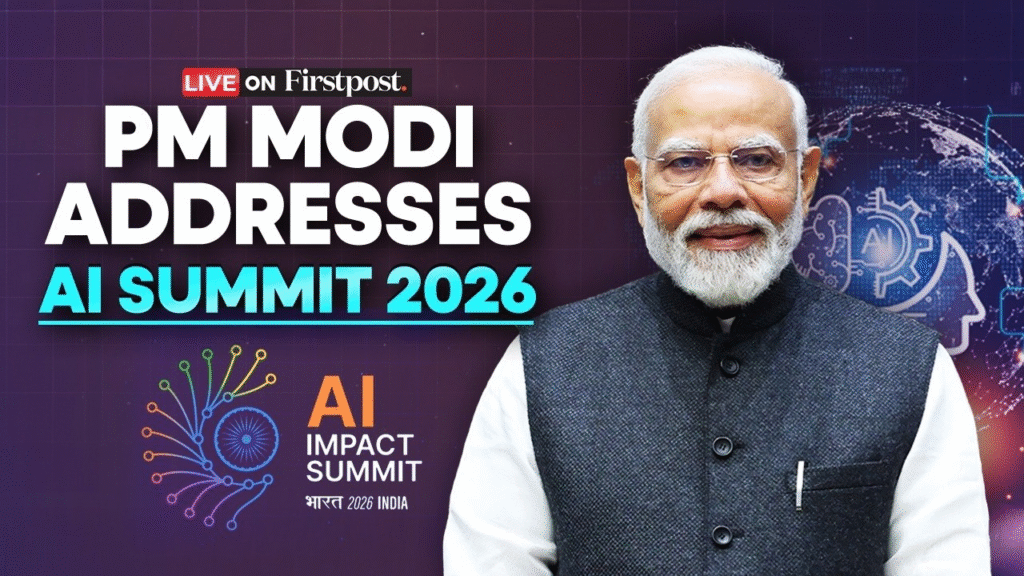
Held in Delhi from February 14-16, the India AI Impact Summit 2026 was a whirlwind of announcements, drawing over 10,000 attendees and global leaders. Themed “Sarvajan Hitay, Sarvajan Sukhaye” (welfare for all), it emphasized ethical, inclusive AI. PM Modi opened with a bold vision: positioning India as a top-3 AI superpower by 2047.
$200B Investment & $2B Nvidia Hub (Yotta Data Services)
The summit’s big reveal? A $200 billion government pledge for AI infrastructure over the next decade, including talent programs for 1 million AI engineers. Yotta Data Services stole the show with a $2 billion AI hub partnership with Nvidia, deploying thousands of Blackwell chips for sovereign AI training. This hub in Gujarat will support everything from healthcare simulations to climate modeling.
Personally, I find this inspiring it’s not just about catching up; it’s about leading in areas like affordable AI for agriculture or disaster response. For India, this could mean economic leaps, creating jobs and solutions tailored to local needs. It’s a smart move in the global AI race, especially with power efficiency in mind.
Indigenous AI: BharatGen and Sovereign AI Models
The summit also showcased BharatGen, India’s open-source generative AI initiative, with models fine-tuned on Indian datasets for better cultural relevance. Discussions on sovereign AI stressed data privacy and local control, reducing reliance on foreign clouds.
This push feels timely amid global data sovereignty debates. It’s fascinating to see India blending ancient philosophy with cutting-edge tech—could lead to more humane AI systems worldwide.
Agentic AI: From “Tool” to “Autonomous Worker”
Beyond specific releases, the buzzword this week was “agentic AI“—systems that don’t just respond but plan, execute, and adapt autonomously. Claude’s multi-agent feature is a prime example, but we’re seeing this shift everywhere: from OpenAI’s rumored “Project Strawberry” agents to startups like Adept building AI “workers” for office tasks.
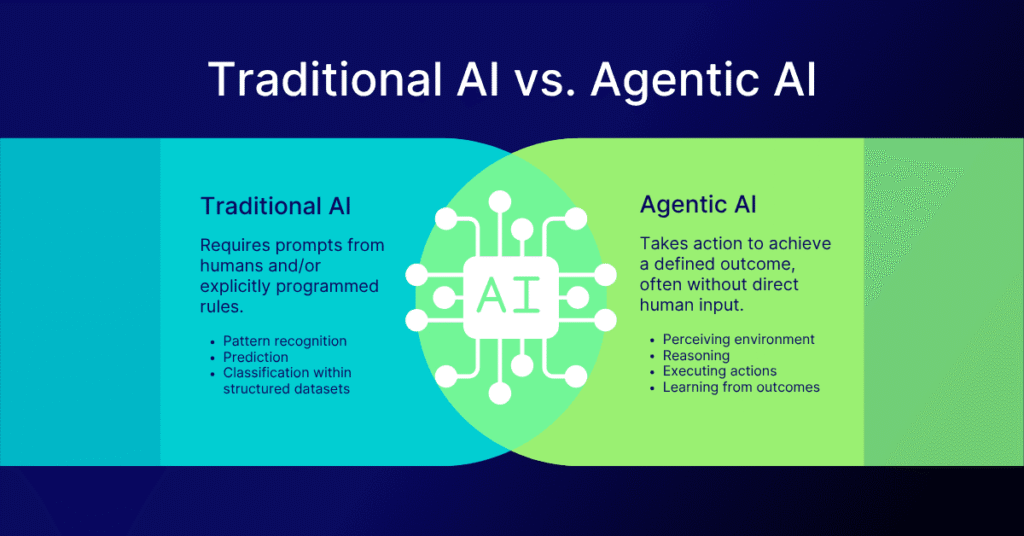
In simple terms, agentic AI turns chatbots into proactive helpers. Think an AI that books your flight, negotiates prices, and updates your calendar all from one command. The impact? Massive productivity gains, but also job displacement concerns. For developers, it means learning to “orchestrate” agents; for businesses, rethinking workflows. It’s exciting, but we need safeguards to ensure these agents align with human values.
The Infrastructure Reality Check (Power & Data Crunch)
Amid the hype, sobering reports highlighted AI’s growing footprint. Data centers now consume as much power as small countries, with Nvidia’s Blackwell chips exacerbating the “rush” for facilities. A new study from the International Energy Agency warns of a 50% spike in AI-related electricity demand by 2030, straining grids and water resources (cooling alone uses billions of gallons annually).
From an environmental standpoint, this is a wake-up call AI’s benefits can’t come at the planet’s expense. Innovations like efficient chips and renewable-powered hubs (like Yotta’s) are steps forward, but policymakers must act. It’s a reminder that sustainable AI is as crucial as advanced models.

What Else Happened? (OpenAI Ads & Security)
OpenAI tested ads in ChatGPT’s free tier, starting with subtle product suggestions in responses. Early user feedback is mixed—helpful for discoveries, intrusive for others. Security-wise, a major breach at a Chinese AI lab exposed training data, underscoring vulnerabilities in the supply chain.
These snippets show AI’s maturation: monetization strategies and security as key challenges.
Conclusion & Key Takeaways for 2026
Wrapping up this week’s AI updates, it’s clear 2026 is the year AI goes mainstream— from agentic systems automating work to nations like India investing big. Key takeaways: Embrace multi-agent tools like Claude for efficiency; watch global south innovations for inclusive AI; and prioritize sustainability amid infrastructure booms.
As we head into the rest of the year, I’m optimistic but cautious AI’s potential is immense, but ethical deployment will define its legacy.
What do you think of these developments ? Drop your thoughts below, and stay tuned for next week’s roundup.