Imagine waking up in 2026 to a world where an AI robot greets your kids at school, writes code for your app, and assembles your car. Sounds like sci-fi? It’s closer than you think. With rapid advances in robotics and artificial intelligence, an AI robot is no longer just a gadget it’s a potential game-changer for jobs. But can an AI robot truly step into human roles like teaching, coding, and factory work?
As a tech analyst who’s watched AI evolve, I’m excited yet cautious. In 2026, companies like Tesla with Optimus and Boston Dynamics are pushing boundaries, while India’s Sarvam AI and global players like Figure AI make headlines. Gartner predicts AI robots could automate 30% of repetitive jobs by 2027, boosting productivity but sparking debates on unemployment . This article dives deep into whether an AI robot can replace teachers, coders, and factory workers. We’ll explore pros, cons, stats, and future trends, helping you understand the real impact. Let’s break it down.
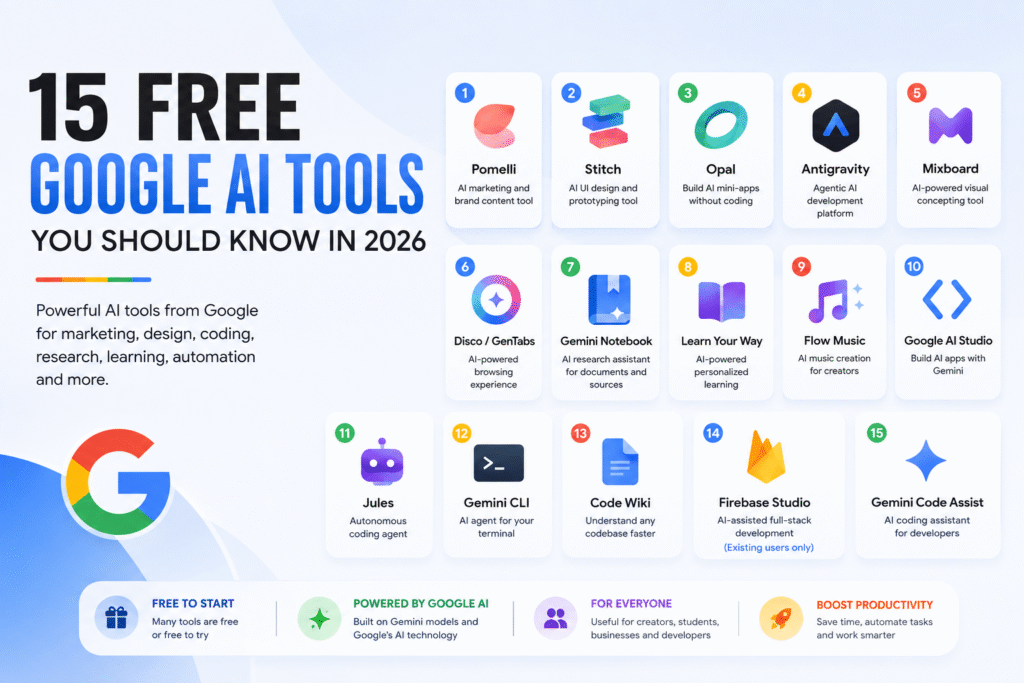
For more on AI tools in daily life, check our guide on AI Tools for Productivity in 2026.
AI Robot in Education Can an AI Robot Replace Teachers?
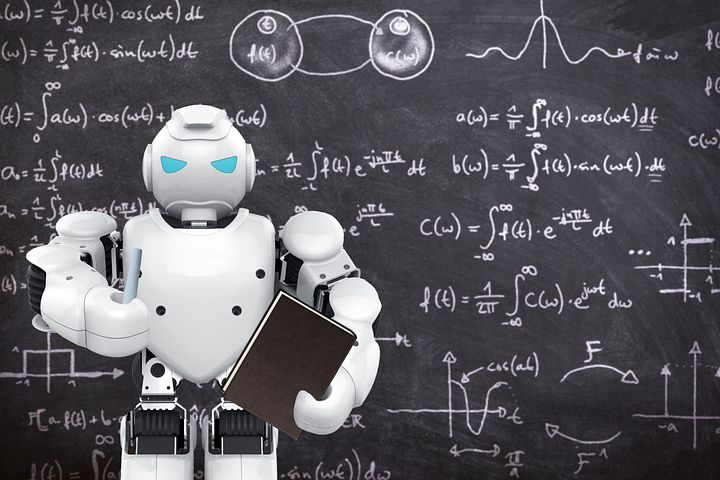
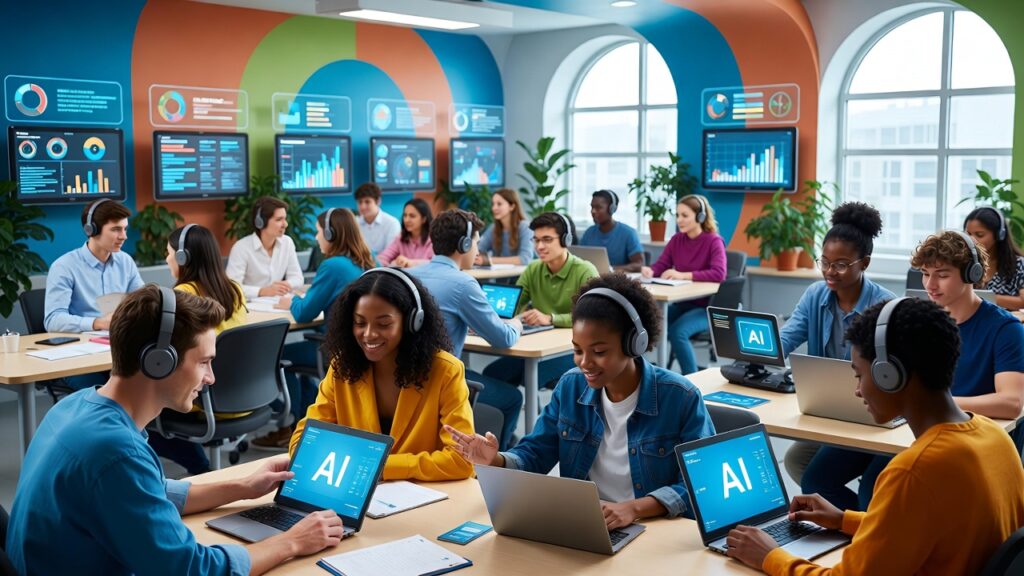
Education is personal it’s about inspiring minds, not just delivering facts. Yet, an AI robot is making waves here. In 2026, schools worldwide use them for tutoring and grading. But can an AI robot fully replace teachers? Let’s see.
How AI Technology Is Used in Classrooms
An AI robot like SoftBank’s Pepper or custom bots from EdTech firms interacts with students using natural language processing. They scan facial expressions to gauge engagement and adjust lessons. For example, China’s Squirrel AI uses adaptive learning where a robotic system tailors math problems in real-time. In India, startups like Embibe deploy intelligent robots for rural classrooms, handling 80% of basic instruction.
According to a 2025 UNESCO report, AI in education grew 45% year-over-year, handling repetitive tasks like quizzes . This frees teachers, but a robotic assistant lacks the spark of human connection.
Advantages of Robotic Assistants for Teaching
A robotic assistant never tires it’s available 24/7 for personalized help. Studies from McKinsey show AI boosts student performance by 20% in STEM subjects through instant feedback . Cost-wise, one such system can “teach” hundreds, reducing expenses in underfunded schools.
In 2026, a tool like IBM’s Watson Tutor analyzes data to predict learning gaps. It’s a boon for diverse classrooms, offering translations in multiple languages. Imagine a system helping a Bhopal student master English while explaining in Hindi efficiency at its best. For training these systems, chatbots like Claude can simulate lesson plans.
Limitations of Robotics in Education
But a robotic system can’t empathize. It misses emotional cues, like a student’s frustration or joy. A World Economic Forum survey reveals 70% of teachers believe robotics lacks creativity for subjects like art or ethics .
Technical glitches happen too a system might misinterpret accents or fail in power outages, common in India. Plus, privacy concerns arise with data collection. Ultimately, robotics supports but doesn’t replace the human touch that builds character.
AI Robot in Programming – Will AI Robot Replace Coders?
Coding is creative problem-solving, but an AI robot is encroaching. Tools like GitHub Copilot evolved into full systems that write code. Can an AI robot replace coders entirely? Not yet, but it’s close.
AI Tools for Coding in 2026
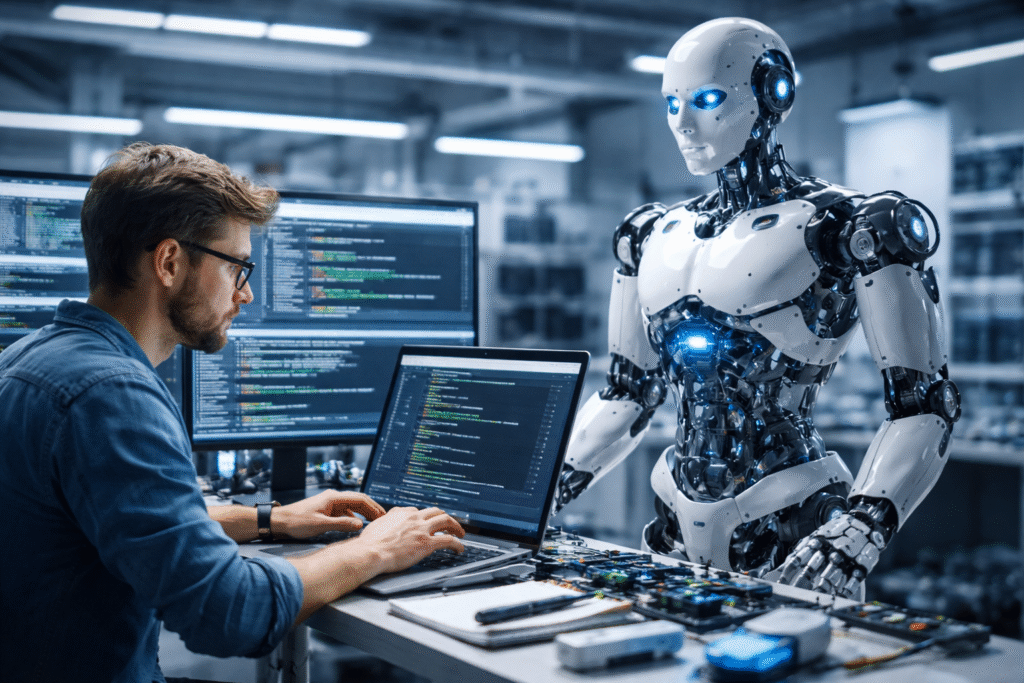
An AI robot like Devin from Cognition Labs writes, debugs, and deploys code autonomously. In tests, it completes 13% of real-world tasks on Upwork. OpenAI’s o1 model integrates with robotic arms for physical testing.
For coders, such systems speed up boilerplate work. A Stack Overflow survey shows 85% of developers use AI daily, cutting time by 50% . In India, firms like Infosys use these for software maintenance. Chatbots like Grok can be trained for robotics coding simulations.
Jobs Most at Risk from Automation
Entry-level coders face the heat a system handles simple scripts and bug fixes. Gartner forecasts 20% of coding jobs automated by 2027. Roles like data entry or basic web dev are vulnerable.
But complex systems need humans. A robotic tool struggles with ambiguous requirements or innovative architectures. For example, building secure fintech apps requires judgment a system lacks.
Why Human Coders Still Matter Despite Growth
Creativity wins here. A system can’t invent new algorithms or collaborate in teams. Deloitte reports AI boosts productivity, creating more jobs in oversight .
In 2026, coders evolve into managers, fine-tuning systems. It’s collaboration, not replacement—a tool amplifies human ingenuity. See more in our post on AI Tools for Coders.
AI Robot in Manufacturing – Can an AI Robot Replace Factory Workers?
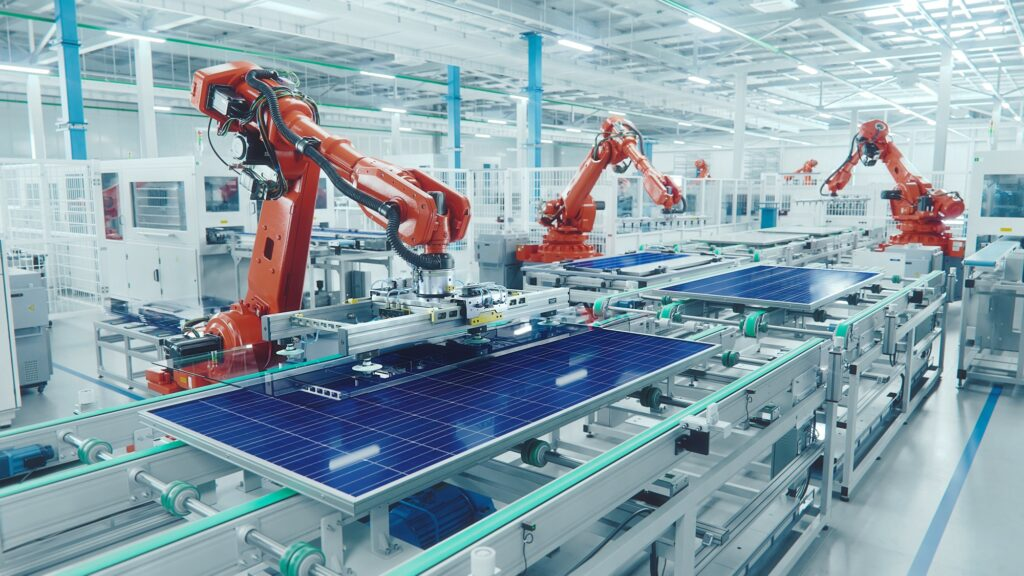
Factories are playgrounds for these technologies. From assembly lines to warehouses, they’re transforming work. Can an AI robot replace factory workers? In many cases, yes but not all.
Automation in Smart Factories
A system like Boston Dynamics’ Atlas handles heavy lifting with precision. In 2026, Foxconn uses robotics for 70% of iPhone assembly. Sensors and computer vision let them adapt to changes.
McKinsey estimates these cut production errors by 90% . In India, Tata Motors deploys them for welding, boosting efficiency 25%. For coding robotics, tools like ChatGPT can generate basic scripts.
Productivity vs Employment Impact
Pros: A system works 24/7 without fatigue, increasing output 40%. Costs drop, making manufacturing competitive.
Cons: Job loss is real. ILO predicts 20 million manufacturing jobs displaced by 2030 . Workers in repetitive roles suffer most, leading to reskilling needs.
Future of Human + Robot Collaboration
It’s cobots collaborative setups. A system like Universal Robots works alongside humans for safety. In 2026, this hybrid model creates jobs in maintenance.
Human oversight ensures quality. A robotic tool excels in speed, but humans handle exceptions. Balance is key.
Economic Impact of AI Robots in 2026
These technologies drive growth. PwC forecasts $15.7 trillion added to global GDP by 2030 from AI, with robotics contributing 45% . In India, they could boost manufacturing GDP by 20%.
But inequality rises. Low-skilled workers face displacement, while high-tech jobs grow. Governments must invest in training India’s AI Mission aims for 1 million skilled workers.
Rhetorically, is a robotic system a job killer or creator? It depends on adaptation.
Ethical Concerns & Social Implications of AI Robots
These raise questions. Bias in training data could perpetuate inequalities e.g., a system favoring certain accents in education.
Privacy: Data collection risks breaches. Socially, over-reliance might erode human skills.
Expert opinion: MIT’s Erik Brynjolfsson warns of “turbulence” but sees net positives with ethical frameworks .
Future of AI Robots – Replacement or Collaboration?
These won’t fully replace humans in 2026 it’s augmentation. Teachers become mentors, coders innovators, workers supervisors.
Trends: Humanoid systems like Optimus integrate everywhere. By 2030, 50% of jobs could involve them.
Prepare now learn skills. A system is a tool, not a threat. Explore more in our blog AI Updates
FAQ: AI Robot Questions Answered
Can an AI Robot Replace Teachers Completely in 2026?
An AI robot can handle lessons but not emotional support. Partial replacement likely, with teachers focusing on mentoring.
Will an AI Robot Replace Coders’ Jobs Soon?
An AI robot automates routine code, but creative problem-solving remains human. Coders will collaborate with AI robots.
How Does an AI Robot Replace Factory Workers?
An AI robot takes repetitive tasks, but humans oversee complex operations. Expect more cobot teams in factories.
Is an AI Robot Safe for Everyday Use?
An AI robot follows safety standards, but ethical concerns like bias exist. Regulations ensure reliable AI robots.
What’s the Cost of an AI Robot in 2026?
An AI robot ranges from $500 for home bots to $100,000+ for industrial ones. Prices drop yearly.
So at the end, can an AI robot replace teachers, coders, and factory workers in 2026? Partially yes for routine tasks. But humans bring irreplaceable creativity and empathy. Embrace an AI robot as a partner to thrive.
Ready to explore? Check our guide on AI tools. Share your thoughts what role do you see for an AI robot?