This AI update highlights the rapid expansion of AI health integration, with OpenAI launching a dedicated symptom analysis tool while Anthropic focuses on specialized clinical and enterprise healthcare systems. The report examines the intensifying global AI race, noting that Chinese open-source models are quickly closing the performance gap with American giants like Google and Meta.
In this blog post, I’m sharing the most important AI updates from this week in a simple, easy-to-understand language, along with insights into key AI trends 2026.
Artificial Intelligence & Software Updates
Google Personal Intelligence
Google has launched Personal Intelligence for Android, allowing the Gemini AI to access personal data on your phone, such as emails and photos. For example, if you need to change a tyre, the AI can recognize your car model from your photo gallery and guide you.
Chinese AI Models showing Growth
Chinese AI models are improving rapidly and catching up to major US models like GPT-4 and Claude. Many of these are open source models, meaning they are free for the public to download and use on their own computers. While they are closing the performance gap, there are concerns regarding their lack of safety restrictions and potential for misuse.
xAI Grok
Elon Musk’s xAI is working on a coding agent that can run locally on a computer to handle complex programming tasks.
DeepSeek V4
DeepSeek is expected to release its V4 model soon, which will be faster and cheaper to run than competitors. It has disrupted the market by offering powerful coding capabilities at a lower cost compared to US models.
Google Veo 3.1
Google updated its video AI, Veo 3.1, improving the consistency of textures and objects to make AI videos look more realistic.
Lightricks LTX2
Lightricks released LTX2, an open-source video generation model that users can run on their home computers. These updates allow creators to generate high-quality video content without needing expensive cloud subscriptions.
Midjourney Niji V7
Midjourney released the Niji V7 model, which specializes in creating anime and cartoon-style images. This update offers better consistency in facial features and lighting, making it easier to create characters that look the same across different images. It is highly useful for creators who want to make comic books or animated stories.
Health & Medical Technology
ChatGPT Health
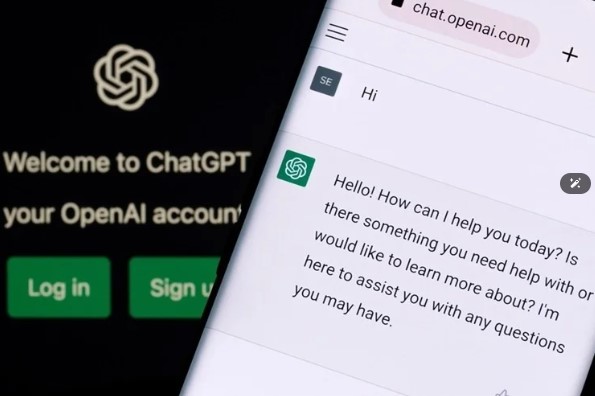
OpenAI introduced ChatGPT Health, a feature that helps users analyze symptoms and medical questions using AI. It can integrate with apps like Apple Health to provide answers based on your specific health data. This tool is currently available in the US and serves the millions of users who already consult the AI for medical advice.
Google Med Gemini 1.5
Google launched Med Gemini 1.5, a powerful AI model designed to analyze 3D medical scans and health reports. They also released a lighter version that can store medical data locally on a user’s phone. This allows for private and secure health monitoring without sending sensitive data to external servers.
Stanford Sleeve FM
Stanford University developed an AI system called Sleeve FM that detects over 130 diseases by analyzing sleep data. It monitors signals like heart rate and breathing overnight to identify risks such as stroke, heart failure, and kidney disease. This technology highlights how sleep patterns can predict serious health issues and mortality.
Claude Healthcare
Anthropic launched Claude Healthcare, an AI tool designed specifically for medical businesses and professionals. Unlike general AI tools, this is built to help manage clinical trials, handle regulatory paperwork, and assist startups in product development.
Mobile & Hardware Innovation
OpenAI’s Wearable Hardware
OpenAI is developing a wearable device resembling ceramic AirPods with built-in cameras. This device, potentially launching in September, aims to be a smart assistant that can hear commands and see the world. It is designed to operate without a screen, relying entirely on voice and vision AI.
Meta Ray-Ban Production
Meta plans to triple the production of its Ray-Ban smart glasses to 30 million units by the end of the year. While many AI features on the glasses are currently free, there are hints that future advanced features might require a subscription. This suggests a shift where users might have to pay monthly fees to use the full capabilities of their hardware,
Business, Industry & Commerce
Microsoft Invests in Anthropic
Microsoft plans to invest $500 million annually in Anthropic, despite already being a major investor in OpenAI. This strategy, known as hedging, ensures Microsoft profits regardless of which AI company dominates the market. They are particularly interested in Anthropic’s strong performance in logic and coding tasks.
Google Universal Commerce Protocol (UCP)
Google introduced the Universal Commerce Protocol to streamline online shopping through AI. This system aims to create a one-click experience where an AI agent can find, select, and pay for products automatically using stored user details. It is designed to remove the complex steps of traditional checkout processes.
Global AI Compute Power
A new report shows that the global demand for AI computing power has reached the equivalent of 15 million H100 GPUs. Nvidia remains the leader in this space, but companies like Google and Amazon are making significant progress with their own chips. Nvidia also revealed a new architecture that reduces power consumption by eight times for specific tasks.
Looking ahead, these AI trends 2026 suggest a future where AI becomes faster, cheaper, more local, and deeply integrated into everyday tools. Stay tuned for more weekly AI updates.
Suggested Blogs: