This AI update includes the latest developments in the AI industry. Major tech shifts are occurring as Anthropic and OpenAI launch faster models, Opus 4.6 and Codex 5.3, respectively. Competition is intensifying, with Sarvam AI leading Indian innovation and Nvidia facing rivalry from Intel. In this blog post, I’m sharing the most important Weekly AI updates of 4 February to 10 February in a simple, easy-to-understand language, along with insights into key AI trends for 2026.
AI Models & Software
OpenAI Codex 5.3 & Anthropic Opus 4.6
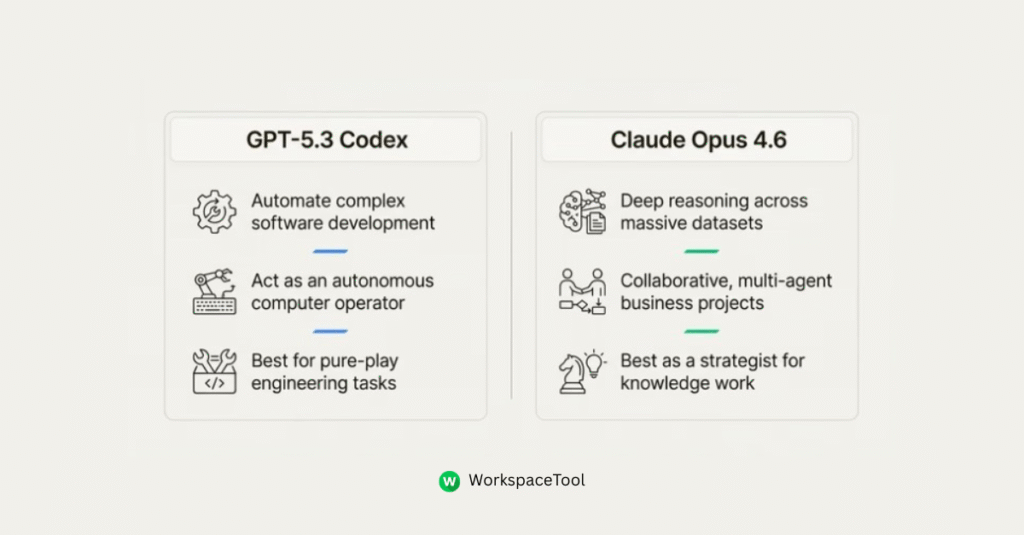
OpenAI and Anthropic released their latest AI models on the same day. Anthropic launched Opus 4.6, which features a massive context size of 1 million, making it great for processing large amounts of data. OpenAI released Codex 5.3, a model designed specifically for coding, which is reported to be 25% faster than previous versions.
Alibaba Qwen 3 Coder
Alibaba released a new open-source coding model called Qwen 3 Coder. This model has 80 billion parameters and is said to be 10 times faster than competitors. It can run on consumer hardware like the RTX 5090 graphics card, making it a powerful and accessible tool for developers.
Sarvam AI’s New Models
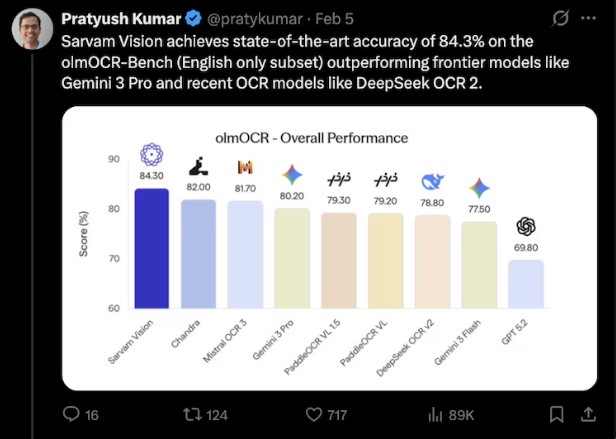
An Indian company, Sarvam AI, released a vision model that can read text from images (OCR) very well. In some tests, it performed better than Google’s Gemini 3 model. They also have a voice model that competes well with global companies, showing that Indian AI technology is advancing rapidly.
Moonshot AI Visual Report
A report by Moonshot AI claims that current AI models still struggle to understand images perfectly. According to their tests, no model has reached 50% accuracy in visual intelligence yet. Google’s Gemini 3 Pro is currently the leader with a score of 47.4%, beating other popular models.
Perplexity Model Council
Perplexity introduced a feature called Model Council to help with research. This tool sends your query to several different AI models at once and analyzes all their answers. By combining the results, it creates a final report that is less biased and more accurate than using just one AI model.
Hardware & Chips
OpenAI’s First Hardware Device
OpenAI is reportedly building its first hardware product, which might be a smart earbud called Dyne. This device would look like a metallic case and connect to your phone. It allows users to talk directly to ChatGPT without needing to look at a screen, making AI conversations easier.
Intel & Softbank Partnership
Softbank and Intel are teaming up to create a new type of computer memory called Zam by the year 2029. This memory is specifically designed to help AI run better. Intel is also planning to manufacture its own graphics cards (GPUs) to compete directly with Nvidia in the future.
Apps & Business News
Google AI Overviews Impact
Google’s new AI Overviews feature in search results provides answers directly, so users don’t click on websites. This has caused a 58% drop in traffic for many websites. While this is convenient for users, it hurts website owners who rely on visitors for their business.
Kling 3.0 Video Generator
China released Kling 3.0, an advanced AI tool for creating videos. It introduces a multi-shot feature that keeps characters looking the same across different scenes. This solves a major problem in AI video generation, where characters often change appearance in every clip.
Nvidia vs. OpenAI on Hallucinations
Nvidia’s CEO claimed that AI hallucinations are no longer a problem. However, OpenAI disagrees and says it is still an issue. This debate is happening while tech companies are spending huge amounts of money on Nvidia chips for their data centers
India’s AI Summit
AI Summit Countdown Begins
IndiaAI Impact Summit (Feb 16-20) finalizes 200+ sector-specific models for launch at Bharat Mandapam. 15 Heads of State, 100+ CEOs confirmed for Global South’s landmark AI event.
Sam Altman India Summit Visit
OpenAI CEO’s Delhi trip aligns with Feb 16-20 AI Impact Summit, joining Google, Nvidia CEOs. India’s 800M+ web users and multilingual data make it the second-largest AI market after the US.
Looking ahead, these AI trends 2026 suggest a future where AI becomes faster, cheaper, more local, and deeply integrated into everyday tools. Stay tuned for more weekly AI updates.
Related Blogs: